The Dream: Four Decades of Fighting for a Space to Call Our Own
As early as 1952, San José's Mexican community was fighting for a cultural center. The city said no. Four decades of roadblocks and demolished plans. Eddie García documents the dream that refused to die. Part 7 of Raíces — Our Story, Our Narrative.

Part 7: The Dream | By Eddie García
From Silicon Valley Latino
As early as 1952, San José's Mexican community was fighting for a cultural center. The city said no. The freeway came instead. Then another proposal. Another no. Four decades of roadblocks, divisions, and demolished plans. In Part 7 of Raíces — Our Story, Our Narrative, Eddie García documents the dream that refused to die, and the dawn that finally came. In San José, to dream of celebrating your own culture was itself an act of persistence and resistance.
Missed Part 6? Read The Tech Museum and the Children's Discovery Museum Stand on the Ashes of La Colonia. Start from the beginning with Part 1: The Prologue.
Author's Note
For two centuries, San José's leaders and amateur historians overlooked the region's ethnic Mexican experience. They gave no recognition to the 66 Mexican founders of El Pueblo de San José. Mexican miners were absent from historical accounts. Clyde Arbuckle's 535-page History of San Jose omits the Mexican American rancher who became a leader in the global hide-and-tallow industry. La Colonia's thriving mid-20th-century neighborhoods and businesses west of downtown were buried beneath the debris of “urban renewal.”
In their unrealistic quest to revive the city's core by throwing urban renewal funds toward creating a modern version of a dying downtown, city leaders took a wrecking ball to the booming Mexican American Colonia. In doing so, city leaders failed to capitalize on a cultural heritage that had survived and thrived in the valley for more than two centuries.
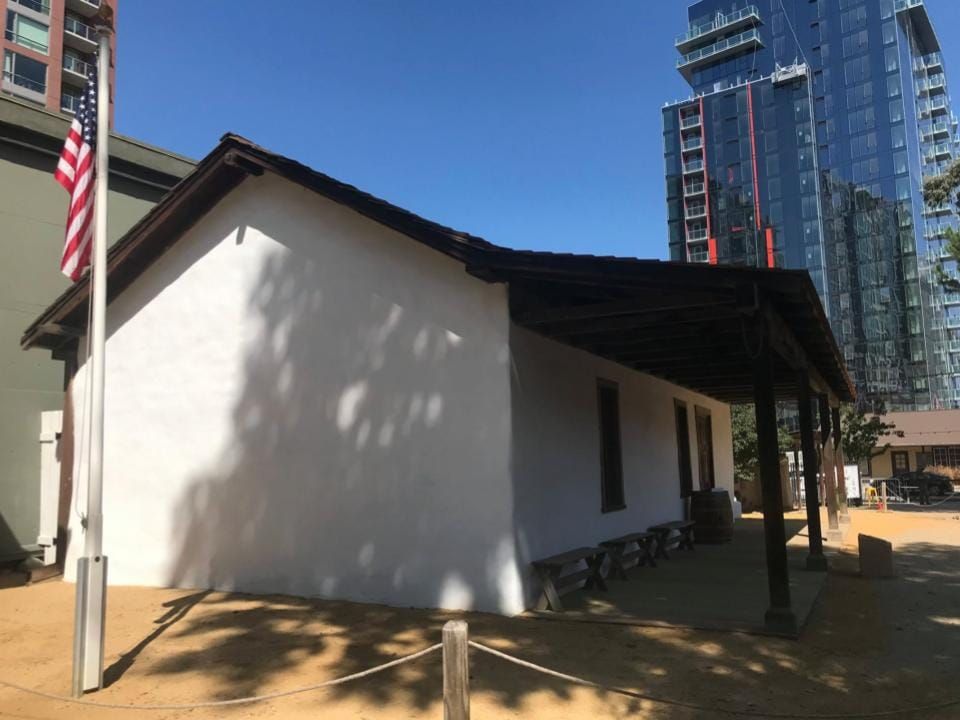
Unlike San Antonio, Texas, which recognizes, celebrates, and embraces its Mexican American roots and culture, San José's leaders refused to acknowledge the city's rich Mexican history and traditions. San Diego and Los Angeles preserved their original Pueblo sites and now celebrate them as tourist attractions. A lone 18th-century adobe that sits in the shadow of the high-rise apartment building that stands on the ashes of the historic Palomar Ballroom is the only remnant of El Pueblo de San José.
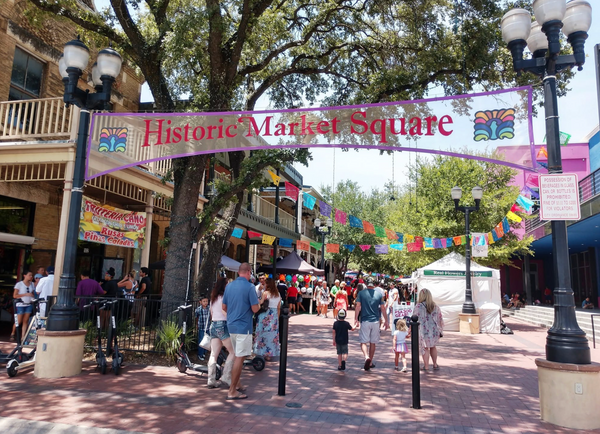
Photo Credit: City of San Antonio - Market Square
Today's excerpt, from Part 2 (The Dream) of Mexican Heritage Plaza: A Symbol of Resilience and Perseverance, documents how, beginning in the 1950s, groups of ethnic Mexican leaders attempted to overcome community divisions and lack of city support to build a gathering space to celebrate Mexican culture. It is the seventh installment in a 12-part series for SVL's Raíces — Our Story, Our Narrative. The book is available in paperback and on Kindle at Amazon: amazon.com — Mexican Heritage Plaza.
Mexican Heritage Plaza: A Symbol of Resilience and Perseverance
by Eddie García
Part 2
The Dream
November 4, 1980 ~ September 9, 1999
In the September 5, 1952, issue of El Excéntrico Magazine, the president of La Comisión Honorífica Mexicana, a group sponsored by the Mexican consulate in San Francisco, announced that its general assembly voted on July 20th of the same year to approve a project to establish La Casa del Mexicano, a community and cultural center that included a large meeting hall and offices for the Comisión. Money raised during the Comisión's annual Cinco de Mayo and September 16th celebrations would fund the project. The article also called for broad support from the ethnic Mexican community to ensure it had its own space for social events and festivals. Opposition began to develop before the July 20th general assembly vote.
A former Comisión Honorífica Mexicana president argued that funds for the Casa del Mexicano project would siphon money away from a college scholarship program for Mexican American students. According to a July 19, 1952, San José Mercury News article, he “charged while the scholarship program promoted better American citizenship, activities centered around the proposed clubhouse would tend to increase loyalties to México, rather than the United States.”
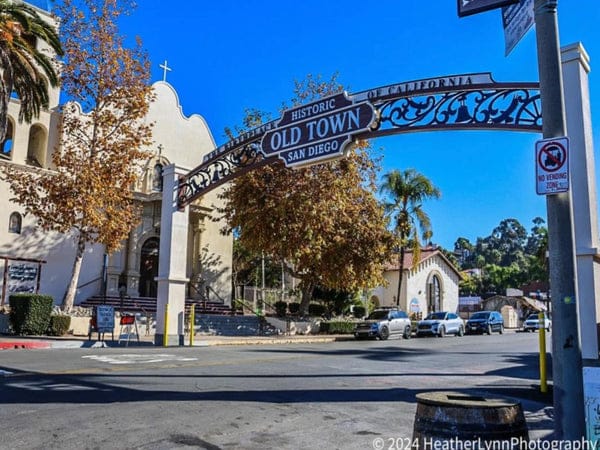
Old Town San Diego, photo credit Heather Lynn Photography
Although the former president was a native of México and served on the Comisión board, he believed that the future of the ethnic Mexican community in San José depended on building capacity in the United States. In an April 5, 1953, El Excéntrico opinion piece, he wrote in Spanish, “Although we love our traditions, we refuse to live in the past. This country is our home, and without a doubt, we want to be considered part of the local community.”
The Comisión Honorífica Mexicana general assembly unanimously voted to fund the scholarship program and the Casa del Mexicano project. A year later, the Comisión purchased property in La Colonia near the Del Monte cannery. The house became the Comisión's headquarters, used for meetings and small gatherings.
The organization could not raise the necessary funds to build a large meeting hall and community center for public events as envisioned. By the mid-1960s, the Comisión sold the property to make way for a segment of Interstate 280, expanding the demolition of La Colonia, which started with the City of San José's urban renewal program earlier in the decade.
The Comisión's dream of building a gathering space for the ethnic Mexican community remained of interest, even as cars zipped along I-280 on the land that once housed the Casa del Mexicano. In its annual message to the community, published in the December 5, 1967, issue of El Excéntrico, the Comisión presented the Centro Cultural Mexicano project, “probably the boldest plan” ever announced by the Comisión.
The proposed 49-acre development would be an “authentically Mexican village” that included a large central kiosk, a church built in the original mission style, offices, art studios, and classroom space for teaching Mexican art, dance, and music. It is unlikely that the project progressed beyond the proposal stage, as described in El Excéntrico. There is no historical record of subsequent discussions.
Six years later, a group of business leaders founded the Mexican American Chamber of Commerce (MACC), “to improve the social, cultural, economic, and political position of ethnic Mexicans in San José.” The organization grew quickly and soon earned the trust of the community, city leaders, and established downtown business groups. The MACC was determined to develop a “Mexican Village” in downtown San José that replicated the thriving Market Street business corridor of two decades earlier.
The MACC's proposal would include space for arts and entertainment. By the mid-1970s, some city leaders were open to the concept. The proposal could potentially revitalize a dying downtown. Despite early momentum for the MACC project, the city council pressed ahead with its plan to revitalize downtown San José by displacing the ethnic Mexican community and investing heavily in urban renewal.
For the better part of four decades, institutional roadblocks, financial challenges, and community divisions hampered the dream of creating a space where the city's Mexican cultural heritage is acknowledged and celebrated. The dawn of the 1980s would bring renewed hope and previously unattainable opportunities toward achieving that dream.
Get the Book
Mexican Heritage Plaza: A Symbol of Resilience and Perseverance by Eddie García is available in paperback and on Kindle.
Purchase on Amazon: amazon.com — Mexican Heritage Plaza
Stories like this don't tell themselves.
SVL has spent over a decade making the invisible visible — celebrating Latino excellence, naming hard truths, and calling our comunidad to action. Independent Latino journalism only survives when the community it serves decides it's worth protecting.
There are two ways to stand with us:
Are you a Latino professional, entrepreneur, or leader ready to be celebrated? Become a Cultura Ambassador — SVL's official community membership for Latino leaders who are ready to have their story told, their work amplified, and their excellence made visible.
Cultura Ambassador: svlatino.com/collections/join-our-tribe
Want to support our mission? Become an Amigo de SVL. Your support keeps our journalism independent, our stories free, and our #CreoEnTi programs and community events alive. No spotlight required. Just solidarity.
Amigo de SVL: svlatino.com/collections/join-our-tribe/products/amigo-de-svl
Juntos Adelante. Because silence is complicity. And so is inaction.